
Zakopane Weather & What to Wear
Month by month: typical temperatures, snow and rain, what to wear and what to do - plus why the weather in the mountains changes so fast.
Published
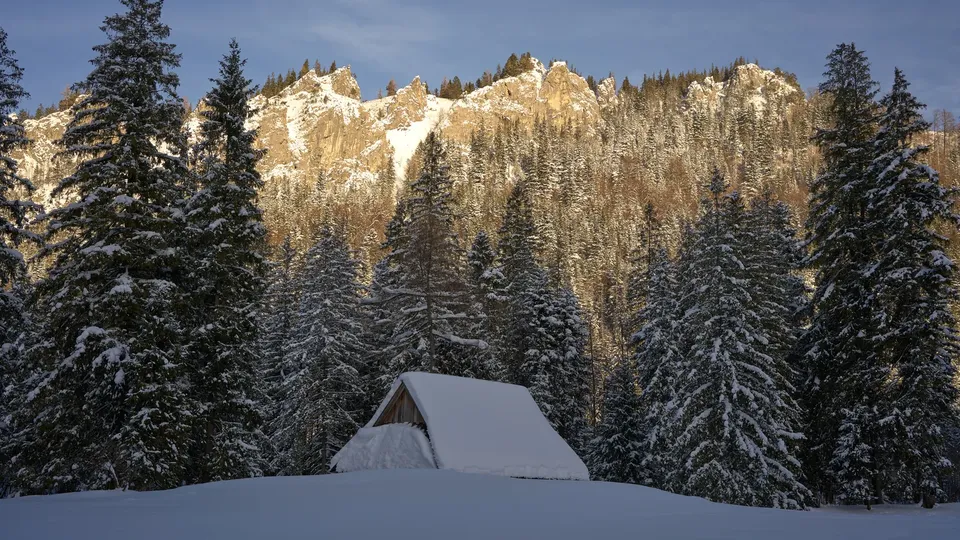
If you live somewhere warm, Zakopane will feel cold for most of the year - and the mountains above it colder still. This guide describes what the weather is usually like in each month and what to pack for it.
This is not a forecast. The temperatures below are rounded typical ranges for the town itself (night low to day high), based on long-term averages. A given week can be much warmer or colder. Check a current mountain forecast before every walk.
Three things to know first
- The mountains are colder than the town. At the top of a cable car it is often 5 to 10 °C colder than on the main street, and windier.
- The weather changes fast. A sunny morning can turn into a thunderstorm by early afternoon, especially in summer. Start walks early and turn back if the sky darkens.
- Layers beat one thick coat. Walking uphill makes you warm; standing at a viewpoint makes you cold within minutes.
How to dress in layers
- Base layer: a thin top that dries quickly (synthetic or merino, not cotton).
- Warm layer: a fleece or light down jacket.
- Outer layer: a waterproof, windproof jacket with a hood. Pack it in every season.
- In winter, add: a warm insulated coat, hat, gloves, scarf, thermal leggings and warm socks.
Shoes
Shoes matter more than anything else. Pavements in town can be icy in winter, and mountain paths are rocky and wet. Bring waterproof shoes with a deep, grippy sole. In winter, insulated waterproof boots are essential, and simple slip-on ice grips for your shoes help a lot on icy streets and paths. Fashion trainers and smooth soles are the most common reason for falls.
Month by month
January
- Typical: about -8 to 0 °C. Cold, with snow on the ground most of the month. Short days.
- Wear: full winter clothing, insulated waterproof boots, hat and gloves.
- Mountains: deep snow and avalanche risk on high trails - these are for experienced winter hikers only.
- Good for: skiing, sledging, snowy walks in the valleys, thermal baths.
February
- Typical: about -8 to 1 °C. Still full winter; often the snowiest time for skiing.
- Wear: as in January.
- Mountains: winter conditions and avalanche risk on high ground.
- Good for: skiing and snow fun; school winter holidays make it busy.
March
- Typical: about -5 to 5 °C. Winter is ending in town, but snow can still fall. Sunny days feel mild; evenings are cold.
- Wear: winter coat or warm layers, waterproof boots.
- Mountains: still winter higher up, with snow on the trails.
- Good for: late-season skiing, quieter stays.
April
- Typical: about -1 to 10 °C. Changeable: sun, rain and sometimes snow in the same week. Slushy paths.
- Wear: warm layers and a waterproof jacket; waterproof shoes.
- Mountains: snow remains on high trails; lower valleys become walkable.
- Good for: a quiet town, valley walks, thermal baths.
May
- Typical: about 4 to 16 °C. Everything turns green; showers are common.
- Wear: light layers plus a fleece and a rain jacket.
- Mountains: patches of snow can last on the highest trails.
- Good for: valley walks, sightseeing, fewer crowds outside holidays.
June
- Typical: about 8 to 19 °C. Long days; rain and afternoon thunderstorms become frequent.
- Wear: t-shirt and a warm layer, a rain jacket always in the bag.
- Mountains: start early to avoid afternoon storms.
- Good for: hiking, lakes, cable cars.
July
- Typical: about 10 to 21 °C, occasionally warmer. One of the wettest months, with short heavy storms.
- Wear: summer clothes, a warm layer for evenings and viewpoints, a rain jacket.
- Mountains: storms and lightning on exposed ridges are a real danger - plan to be down by early afternoon.
- Good for: hiking and family trips; the busiest time of the year.
August
- Typical: about 10 to 21 °C. Similar to July: warm days, cool nights, thunderstorms.
- Wear: as in July.
- Mountains: as in July; popular trails are crowded.
- Good for: hiking, lakes, summer activities.
September
- Typical: about 6 to 17 °C. Often the most settled month, with clear days and fewer storms.
- Wear: layers; mornings and evenings are chilly.
- Mountains: good conditions for walking; the first cold nights arrive.
- Good for: hiking with fewer crowds, sightseeing.
October
- Typical: about 2 to 12 °C. Autumn colours; the first snow often appears on the peaks. A strong warm wind from the mountains, called "halny", can blow for a day or two.
- Wear: warm jacket, hat for the evenings, waterproof shoes.
- Mountains: icy patches possible on high trails; shorter days.
- Good for: autumn walks, photography, quieter stays.
November
- Typical: about -2 to 5 °C. Often grey and damp; the first snow can reach the town.
- Wear: winter coat, warm waterproof shoes.
- Mountains: early winter conditions; many trails are not pleasant.
- Good for: thermal baths, a quiet and usually cheaper stay.
December
- Typical: about -6 to 1 °C. Winter returns; snow is likely but not guaranteed before Christmas.
- Wear: full winter clothing and insulated boots.
- Mountains: winter conditions and avalanche risk on high ground.
- Good for: festive atmosphere, the start of the ski season; very busy around New Year.
Before any walk in the mountains
- Check the current mountain forecast and, in winter, the avalanche warning level.
- Tell someone where you are going and when you expect to be back.
- Carry water, a charged phone and a warm layer - even on a short walk.
- Mountain rescue: 985 or +48 601 100 300; general emergency: 112.
Still choosing when to go? Read Best Time to Visit Zakopane.